
Prof. John Smith
Prof. John Smith is an acclaimed researcher in theoretical physics, recognized for his work in cosmology and astrophysics. With a Ph.D. from Harvard University, he has authored several influential articles and has participated in major international research projects.
Explore the complexities of resorption processes, essential in biology, medicine, and environmental science. Understand its role in health and disease. 🦴🔬


Explore how negative ion generators work, their applications, and benefits. Understand their effects on air quality and health. 🌬️💡 Discover innovative solutions for a cleaner environment!


Explore the vital role of earthworms in ecosystems. Learn about their biology, ecological impact, and contributions to sustainable agriculture. 🌍🐍
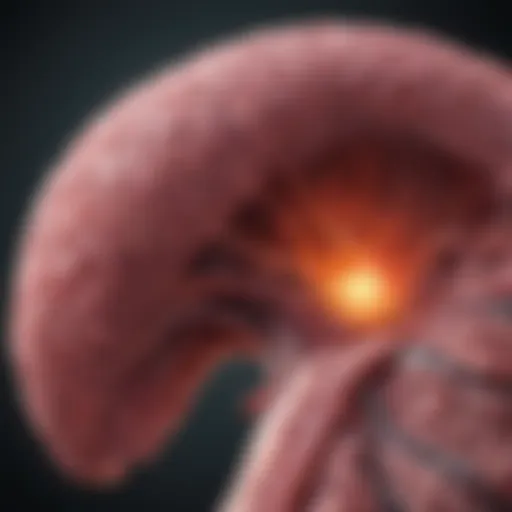
Explore spleen cancer treatment options, including surgery, chemotherapy, and immunotherapy. Understand the latest advancements and the role of clinical trials. 🩺✨


Explore the prognosis of hepatocellular carcinoma (HCC) through survival factors, treatment advancements, and emerging research insights. 🩺📊


Explore the complex pathophysiology of mesothelioma, focusing on asbestos impact, genetic factors, and the tumor microenvironment. 🧬🔍
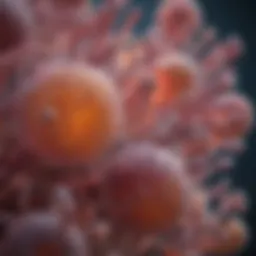
Explore the critical world of antimicrobial resistance genes. Discover their origins, impact on health, and strategies for combating these resilient pathogens.🦠💉
Explore the critical role of serotonin in prescriptive medicine. Discover its impact on mood regulation and how current treatments address mental health. 💊🧠


Explore the intricacies of procalcitonin levels, their implications in bacterial infections, and future research directions. Discover their clinical relevance. 📊🔍
Explore hemi paresis: its definition, causes, symptoms, diagnostic approaches, and latest treatment strategies. Gain insights into rehabilitation advancements. 🧠💪


Discover the complexities of hyperhidrosis, focusing on excess moisture under the breast. Learn its causes, symptoms, treatments, and psychosocial impacts. 🌧️💡
Explore Nivolumab's impact on metastatic melanoma, focusing on its mechanism, trial outcomes, and patient care implications. 🩺🔬 Stay informed about evolving treatments!